What is GEO?
Bastian W.
Co-Founder of Keupera
In a hurry? You can find our GEO Checklist here.
Introduction: What is GEO?
For a time the goal of Search Engine Optimization was simple: get to the first page of Google. That goal shaped how businesses wrote content, built websites and thought about their online presence. But the way people search for things is changing rapidly. Now there are over one billion people using language models like ChatGPT, Claude and Gemini every month. They use these models to get answers to their questions directly. These models do not give them a list of links to click on. Instead they give them one answer, presented as if a knowledgeable friend had written it just for them.
This change has led to a new field: Generative Engine Optimization, or GEO. People used to think about how to get to the top of the search results. Now they think about how to get their content cited and used as a source in AI-generated answers. These two goals are related, but they are not the same, and the strategies required to achieve them are increasingly different.
GEO is the practice of making your content better so that AI-powered search tools use it, reference it and show it to people. As search continues to change, understanding GEO is becoming just as important as technical Search Engine Optimization, if not more so for certain industries and audiences.
How Generative Engines Work
To understand GEO, it helps to understand how generative engines differ from traditional search engines.
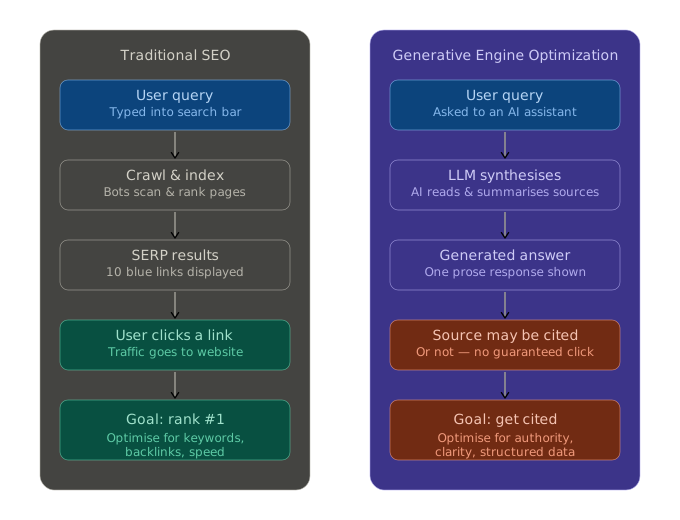
Traditional search engines crawl the internet, build an index of pages and rank them based on factors like relevance, trustworthiness and page speed. When someone types a query, the search engine returns a list of ranked links. The user then decides which link to click on, reads the page and finds the information they need.
Generative engines work very differently. They use large language models to read and understand content from across the internet. When someone asks a question, the model synthesizes what it has learned into a single, coherent answer. The person searching may never see a list of links and in many cases will not visit any external website at all.
This shift has two important consequences for anyone creating content online.
First, being visible is no longer just about ranking at the top of search results. It is about being used as a source. A page that sits at the top of Google might not be referenced in AI-generated answers at all. Meanwhile, a well-written, trustworthy piece of content that does not rank highly in traditional search might be used regularly by AI systems. The criteria for visibility have changed.
Second, there is no guarantee that people will click through to your website even when your content is used. If an AI model draws on your article to answer a question, the person searching might get everything they need from the generated response and never visit your site. This means that brand awareness and credibility are becoming more important outcomes to measure than raw click-through traffic.
Why GEO Matters Now
The rise of tools like ChatGPT, Perplexity and Google's AI Overviews means that a growing share of searches are now answered by AI models rather than traditional results pages. According to various industry studies, AI-generated answers already handle a significant and rapidly increasing portion of search activity. For some categories of query, such as definitions, comparisons and how-to questions, AI answers have become the default for many users.
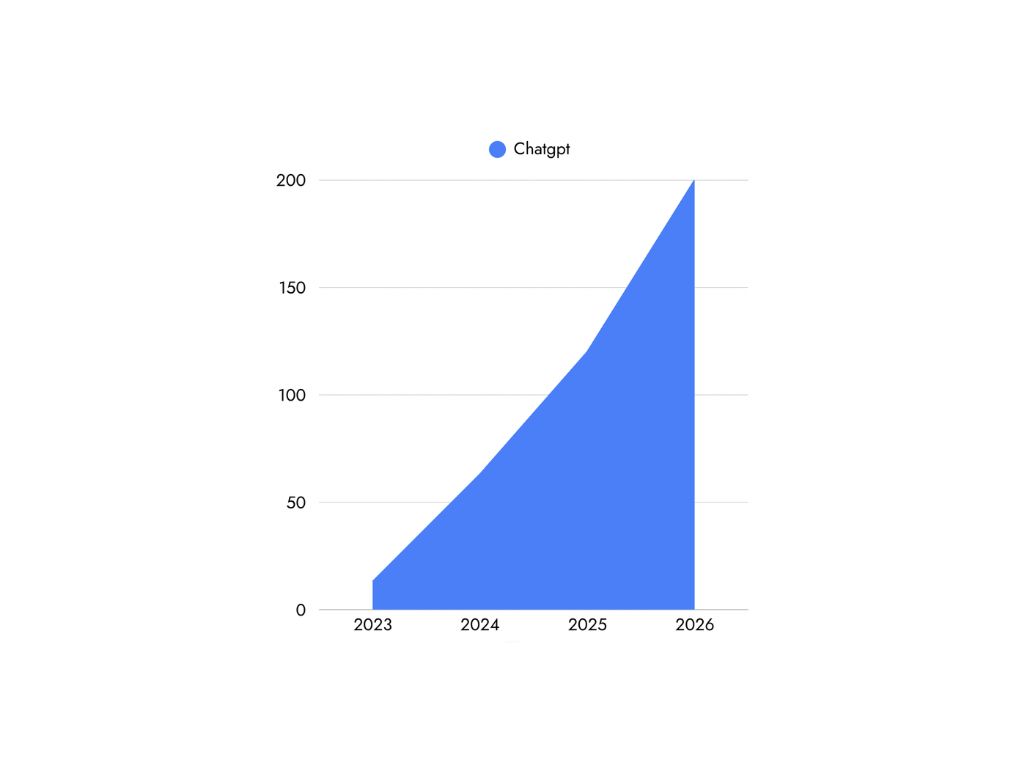
the graph depicts the daily users of chatgpt in millions for every year since 2023
For businesses, marketers and content creators, this represents a fundamental shift in how content creates value. Content that gets cited in AI answers is driving brand awareness, shaping purchasing decisions and building trust, even when it generates no direct website traffic. This means that optimizing for generative engines is no longer a niche concern or an experiment for early adopters. It is becoming a central part of any serious content strategy in 2026 and beyond.
The good news is that the foundations of good GEO are not entirely different from good content creation. Accuracy, clarity and genuine usefulness have always mattered. What GEO does is make those qualities even more important, and add a layer of technical and structural thinking on top.
Key Factors in Generative Engines
Understanding what makes content more likely to be used by AI models is the central challenge of GEO. Here are the key factors:
Accuracy and trustworthiness
AI models are built to give people reliable information. As a result, they prioritize content that is factually correct, clearly written and free of errors. Including clear citations, linking to authoritative sources and keeping your content up to date all signal to AI systems that your material can be trusted.
Structure
AI models prefer content that is easy to parse and understand. When information is organized with logical headings, concise definitions and clear explanations, AI models can more easily identify the key ideas and extract relevant information. Consistent formatting and well-structured sections reduce ambiguity and make it easier for a model to use your content accurately.
Topical authority
A website or content hub that covers a subject in depth, providing thorough explanations, practical examples and a range of related content, demonstrates genuine expertise. AI systems learn from large volumes of internet content and tend to favor sources that are consistently reliable across a topic rather than sources that cover many subjects shallowly.
Use of structured data
Schema markup and other forms of structured data help AI systems understand the context and type of your content. Adding the right markup tells machines not just what your content says, but what kind of content it is, making it easier for generative engines to categorize and use it appropriately.
Linked sources
Content that references credible external sources is treated more favorably by AI systems. When your material cites peer-reviewed research, official statistics or well-documented datasets, it signals that your claims are grounded in evidence rather than opinion. This kind of sourcing builds the trust that generative engines look for.
Conversational and question-based formats
AI assistants are designed to answer questions efficiently and naturally. Content that is organized around questions, such as FAQs, step-by-step guides, comparisons and definitional explainers, mirrors the way generative engines think and makes it easier for them to pull relevant answers from your pages.
Practical GEO Techniques
Write for questions, not keywords
Rather than optimizing a page around a single keyword phrase, structure your content to directly and completely answer the questions your audience is actually asking. Think about the specific phrasing people use when talking to an AI assistant and make sure your content addresses those queries head-on.
Lead with definitions and summaries
Many AI systems extract definitions and summaries directly from the top of a page or section. By placing a clear, well-worded answer at the beginning of each section, you increase the likelihood that AI models will use your phrasing and attribute the information to your content.
Use crawlable page structures
Logical heading hierarchies, well-formed paragraphs and descriptive subheadings all help AI systems parse your content correctly. Avoid burying key information in images, PDFs or other formats that are harder for machines to read.
Add structured data markup
Implement Schema.org markup for your content type. This gives machines a clearer sense of your content's intent and relationships.
Maintain accuracy and cite your sources
Every factual claim in your content should be supportable. Where possible, link directly to original research, government data or authoritative industry sources. Content that demonstrates its evidence base is more likely to be trusted and used by AI systems.
Build brand authority and mentions
When reputable websites mention your brand, cite your research or link to your content, these signals help AI systems recognize your brand as a credible source. Investing in PR, partnerships and thought leadership content can therefore have a direct impact on your GEO performance.
Create pillar topics
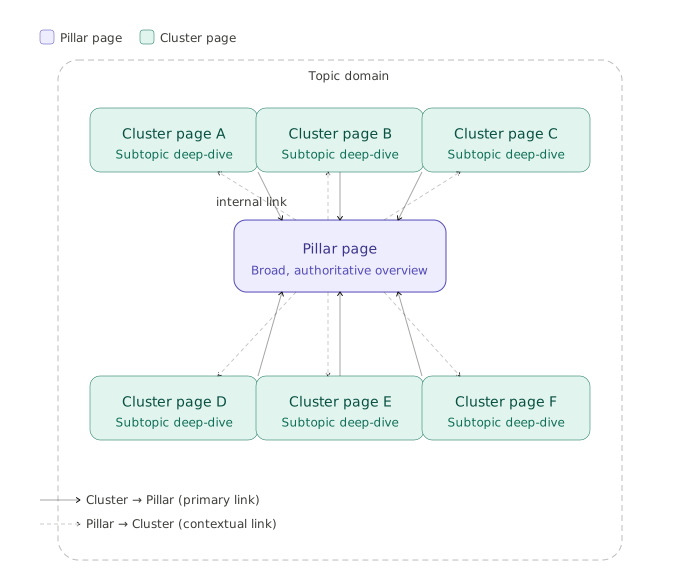
Large language models are trained to understand topics in their full context, not just individual pages. Building a pillar and cluster content structure, where a comprehensive overview page links to and from more detailed supporting articles, makes your content easier for AI systems to navigate and reference.
Measuring GEO Success
Since GEO is still a developing field, there is no standardized way to measure success. Here are the most practical approaches available today.
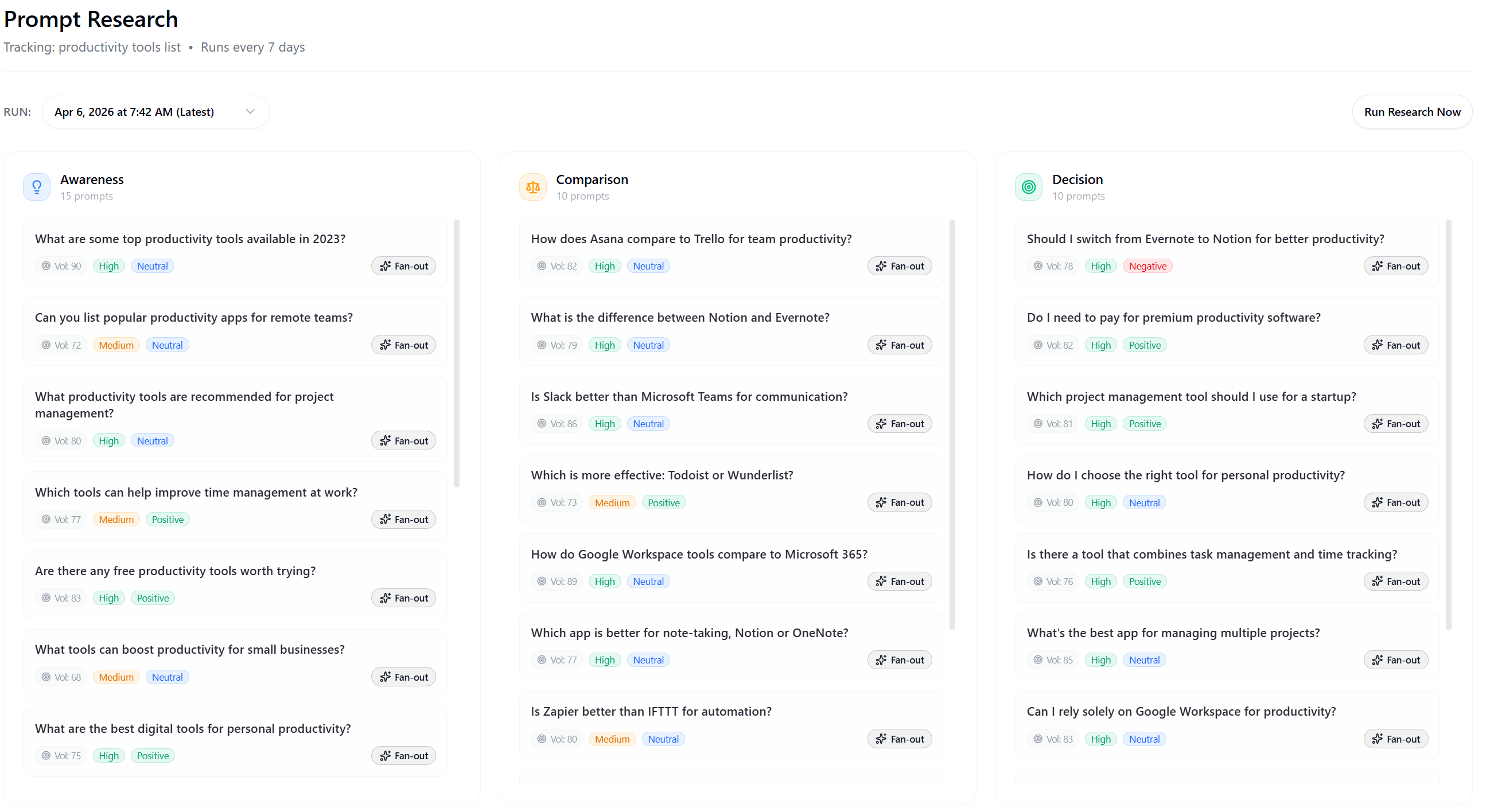
Use a prompt engine
Use a prompt engine to obtain real-time examples of the questions people ask AI on a daily basis, providing a broad range of current prompts that reflect everyday user needs, interests, and challenges.
Monitor AI citations manually
Regularly query tools like ChatGPT, Perplexity and Google's AI Overview using the questions your content is designed to answer. Note when your content is cited, how it is described and whether the information attributed to you is accurate.
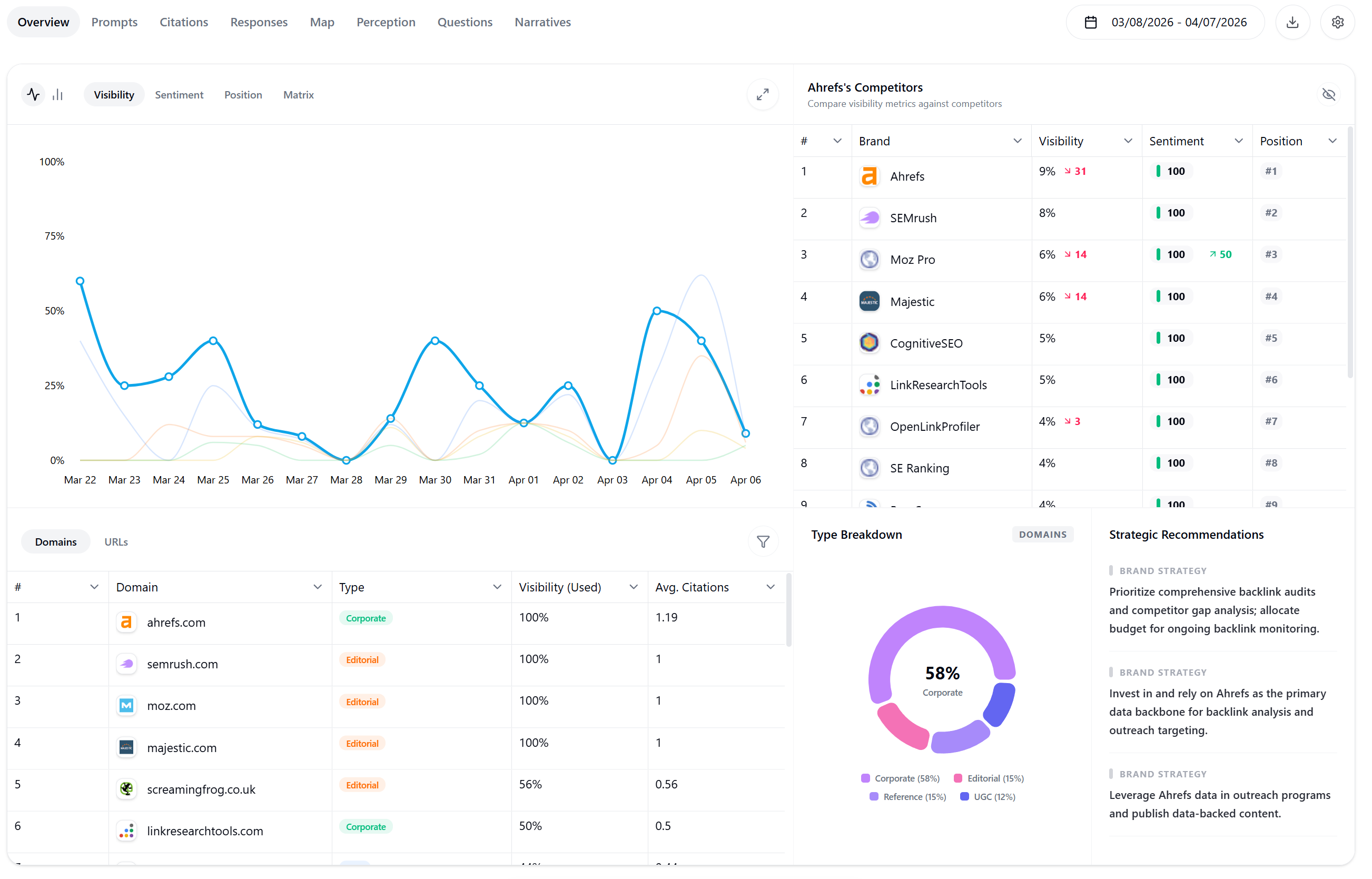
Use emerging GEO tools
A growing number of platforms now offer AI visibility tracking, monitoring how often your brand or content appears in AI-generated answers across different tools and queries. These tools are still maturing but are becoming increasingly useful for benchmarking and tracking trends over time.
Track branded search volume and direct traffic
Because AI answers often do not generate clicks, you need to look for indirect signals of impact. An increase in branded searches, meaning people searching specifically for your company or product by name, or a rise in direct traffic to your website, can indicate that AI-driven awareness is building even without direct referrals.
Review traditional SEO metrics alongside AI visibility
Organic rankings, backlinks and domain authority remain important signals for search engines, and strong traditional SEO continues to support GEO performance. The two approaches reinforce each other, so tracking both together gives you the clearest picture of your overall search visibility.
Summary
GEO is how search optimization is evolving for a world where AI assistants are often the first point of contact between users and your brand. The core ideas are straightforward: create content that is accurate, easy to understand and trustworthy, and that gives real answers to real questions.
The main areas to focus on are:
Topical authority. Become a reliable, in-depth source for the topics you want to be known for.
Content clarity. Make your pages easy for AI to understand and use.
Structured data. Help machines understand what your content is about.
Question-based formats. Shape your content to reflect how people talk to AI assistants.
Brand presence. Get your brand mentioned and trusted by AI systems.
GEO and traditional SEO are not competing with each other. They work together. The best approach to content in 2026 and beyond is to make it good for both people and the AI systems that help them find things on the web.
If you want to learn more about how your website appears on AI platforms and would like to use our SEO tools, you can try Keupera for free.
More in AI & GEO
Keep reading

Predictive SEO: Using AI to Forecast Ranking Opportunities
Find high-potential keywords sooner, prioritize content with more confidence, and reduce wasted SEO effort. If your SEO roadmap still depends on static keyword lists and last quarter’s rankings, you a…

How AI and Google's Ranking Algorithm Work Together
AI-driven systems are changing how search engines interpret queries and content. This guide explains what that means for your SEO strategy, how to use AI responsibly, and where to focus effort to win …
How AI Interprets Search Intent
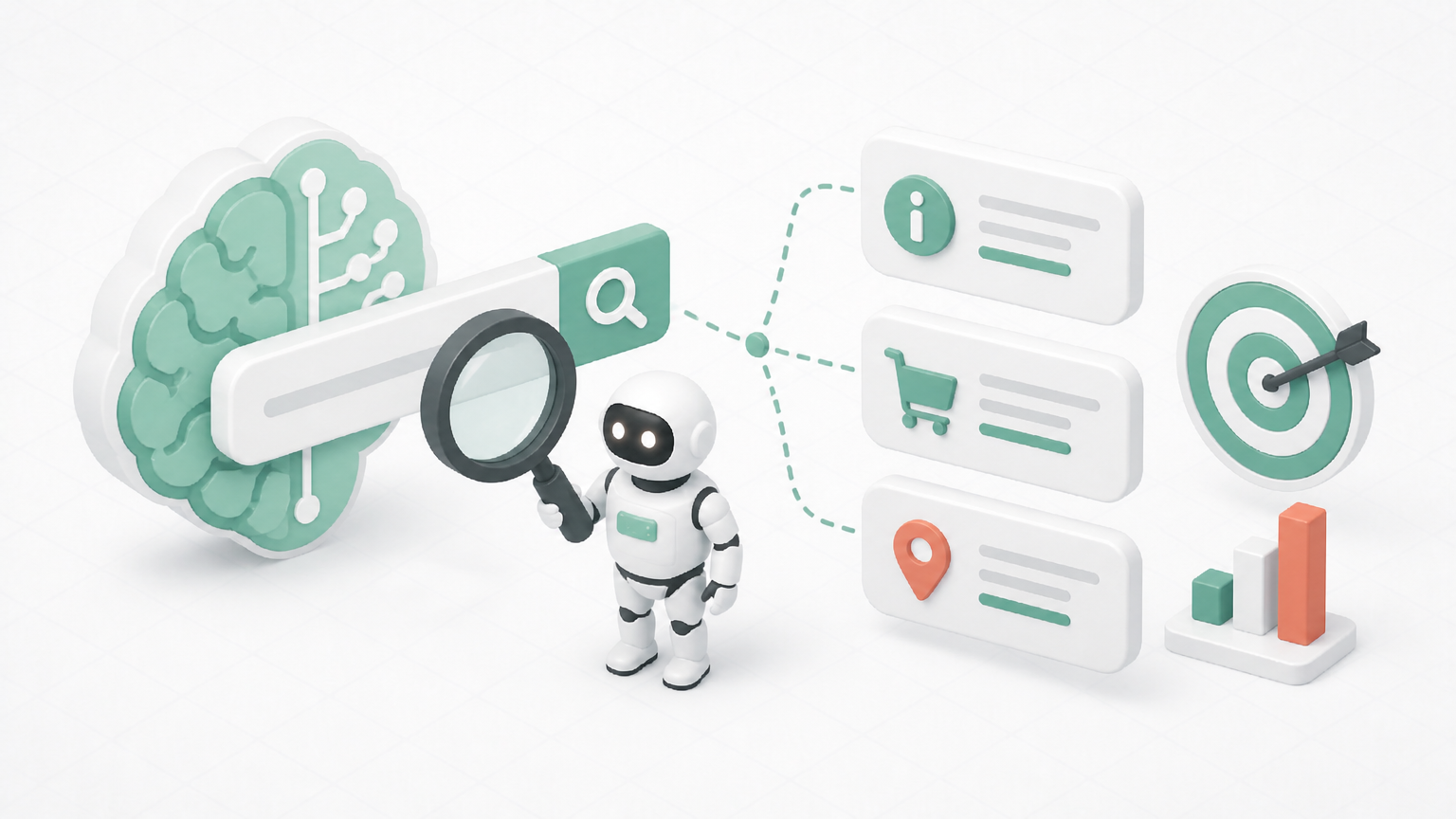
Search visibility is no longer just about matching keywords. It is about matching meaning. If your content ranks poorly despite solid on-page SEO, the problem is often not authority or links, it is in…