
How to Get Your Brand Cited by LLMs
Bastian W.
Co-Founder of Keupera
If AI can answer your buyers before your site ever gets a click, visibility has changed. The new challenge is not just ranking in the SERP, it is making sure your brand is present when large language models summarize, recommend, compare, and cite sources.
That is why brand mentions in AI and getting cited by LLMs now matters for startups and agencies alike. If your company is easy for machines to identify, verify, and retrieve, you increase your odds of showing up in conversational search, AI overviews, and assistant responses. If your brand signals are weak or fragmented, you become invisible, even with decent SEO.
This guide shows you how to improve that visibility in practical terms. You will learn how LLMs find brands, which trust signals matter most, how to run a fast audit, and what to fix first so your brand becomes more citable over time.
Get Cited by AI, Build Brand Mentions LLMs Trust
Enter your company, URL, or keyword.
See how LLMs currently reference your brand and where to improve. Instantly scan web mentions, knowledge panels, and structured data.
Why LLM Citations Matter
What We Mean by Brand Mentions in AI
A brand mention in AI is any instance where an LLM or AI-powered search experience references your company, content, data, founders, products, or published claims. That mention may include a direct citation, a summarized statement, a sourced comparison, or a knowledge-panel style fact.
This is different from traditional ranking. In classic SEO, users click blue links. In AI interfaces, the model often compresses multiple sources into one answer. If your brand is not part of the source set, you may lose awareness before the click ever happens.
How LLMs Source and Surface Information
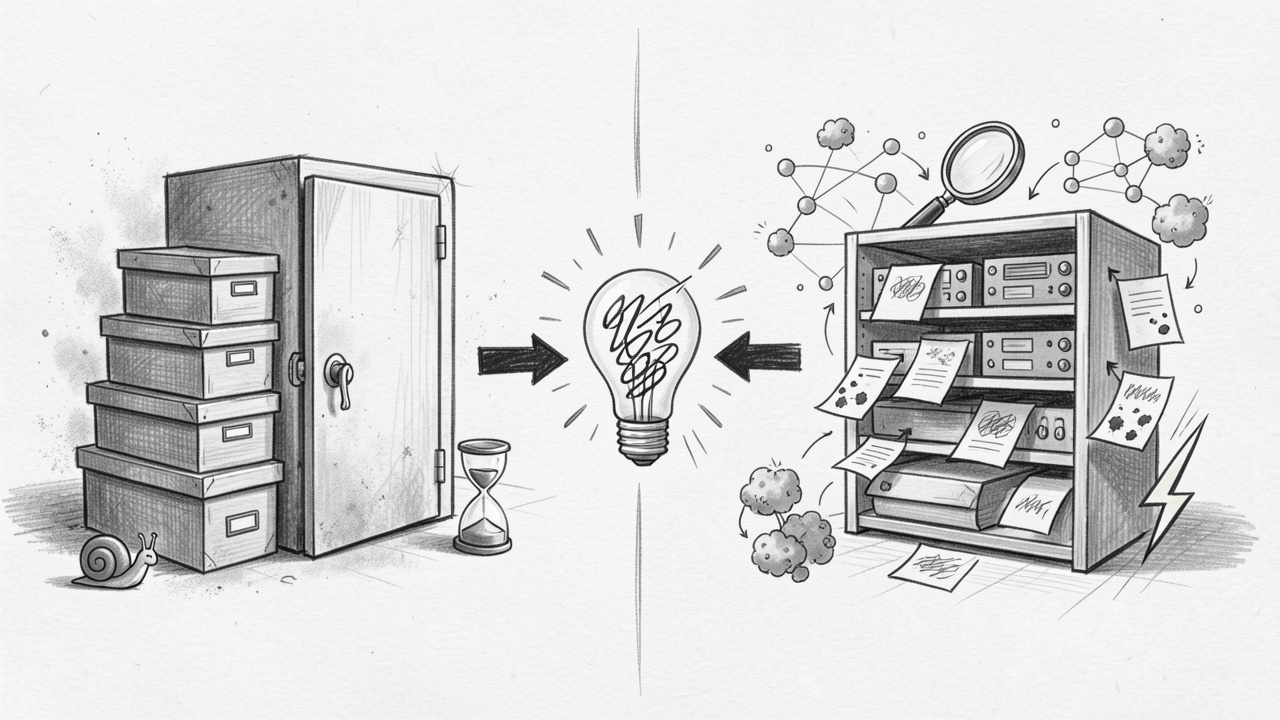
Some LLMs rely partly on training corpora, which means they learned patterns from large collections of public and licensed text. Others increasingly use retrieval-augmented generation, often called RAG, which pulls documents from a live or recent index at answer time.
That distinction matters. Training-based visibility can take longer, because the model may only reflect what existed in earlier datasets. Retrieval-based visibility can move faster if your pages are crawlable, trusted, and well-structured. In practice, many systems blend both.
Embeddings also play a role. Models do not only match exact keywords, they match meaning. If your site clearly explains who you are, what you do, and what evidence supports your claims, you improve your odds of being semantically retrieved for relevant prompts.
Business Benefits: Credibility, Traffic, Conversions, SEO Spillover
AI citations create brand credibility at the moment of decision. If a buyer asks for the best tools, top agencies, or trusted providers, being named in the answer acts like a recommendation layer above the SERP.
There is measurable upside. You may see stronger branded search volume, more referral traffic from AI-assisted sessions, improved organic CTR on branded and non-branded pages, and more conversions from users who arrive pre-qualified.
The SEO spillover is real. The same signals that help LLMs trust your brand — backlinks, structured data, entity consistency, and authoritative mentions — also tend to strengthen search performance more broadly.
How LLMs Find and Cite Brands
Public Web Scraping and Training Datasets
Many AI systems learn from large web-scale datasets collected over time. If your site and related mentions appear in those datasets, your brand may become part of the model’s latent knowledge. The downside is lag. Improvements made today may not show up immediately in training-based systems.
That is why relying only on your homepage is risky. LLMs are more likely to absorb brands that appear repeatedly across the web, especially on trusted domains with strong editorial standards.
Search-Indexed Retrieval and Document Ranking
Some AI products retrieve information from search indexes or ranked document stores. In these systems, familiar SEO signals still matter: Domain Authority, relevance, freshness, internal linking, crawlability, and backlinks.
If search engines struggle to understand and rank your content, AI retrieval layers probably will too. Pages that win in retrieval usually have a narrow topic, a clean structure, and direct answers near the top.
Knowledge Graphs, Entity Resolution, and Knowledge Panels
LLMs need to know that all mentions of your brand refer to the same entity. That process is called entity resolution. Knowledge Graphs help machines connect your company name, website, founders, social profiles, locations, and product names into one coherent record.
LLMs are more likely to cite brands that have consolidated entity records across multiple sources. That is where Wikidata, Wikipedia, business directories, and knowledge panels become useful. They reduce ambiguity and tell machines, “this brand is real, distinct, and consistently described across the web.”

Proprietary Sources and Plugin or Connector Ecosystems
Not every citation path comes from the open web. Some AI tools use licensed content, app connectors, commerce feeds, internal databases, or partner ecosystems. If your data is available through trusted integrations, feeds, or public datasets, you expand the number of ways an LLM can encounter and use your brand.
For agencies, this creates a broader playbook. You are not only optimizing pages, you are also optimizing data availability, structured records, and third-party references.
Signals That Make LLMs Trust Your Brand
Authoritative Links and Backlink Profile
Backlinks still matter because they help establish importance and trust. A brand cited by respected publications, industry associations, universities, and niche leaders looks more credible than one linked mainly from low-quality directories.
Quality matters more than volume. A smaller backlink profile with relevant, editorially earned links often outperforms a bloated profile with a high spam score.
Structured Data and Schema.org Markup
Structured data gives machines explicit labels. It clarifies that your page represents an Organization, an Article, a FAQ, a WebSite, or a specific person.
This reduces guesswork. LLM pipelines may not quote your schema directly, but the clarity it provides helps crawlers, search systems, and entity mappers understand your content more reliably.
Consistent NAP and Brand Mentions Across High-Authority Sites
If your brand name, URL, company description, and contact details vary widely across the web, machine confidence drops. Consistent NAP data — name, address, phone, where relevant — along with matching profiles on major directories and review sites, strengthens trust.
Consistency also applies to branded phrasing. If you call your company three different things across your site, LinkedIn, Crunchbase, and press mentions, you create entity confusion.
High-Quality Content With Clear Facts, Citations, and Dates
LLMs prefer content that is easy to extract and verify. That means specific claims, named sources, visible dates, clear authorship, and concise definitions.
A vague marketing page is harder to cite than a page that says, “We analyzed 12,400 search queries in Q2 2026 and found X.” Specificity creates citable surface area.
Presence in Knowledge Bases and Directories
A presence in Wikidata can be especially helpful for entity resolution. Wikipedia can help too, but only if your brand independently meets notability standards and can be covered neutrally with reliable sources.
Industry directories, review sites, local business databases, and founder profiles also matter. They create a distributed layer of corroboration around your brand.
Low Spam Score and Fast Site Performance
If your site looks manipulative, overloaded, or technically weak, trust falls. High spam score, thin pages, poor mobile performance, and broken canonicals make your brand harder to trust and retrieve.
Fast, stable pages improve crawl efficiency and reduce noise. That helps both traditional search and AI discovery.
Audit: Where You Stand Today
You can get a useful picture of your AI citation readiness in a few hours. Start by checking whether your brand is easy to find, easy to validate, and easy to connect as a distinct entity.
Look at your backlink profile first. Review referring domains, anchor diversity, branded mentions, and any obvious spam clusters. Then check your core entity assets: homepage, about page, founder bios, contact information, social profiles, directory listings, and any existing knowledge graph presence.
Next, validate your structured data. Make sure your Organization, WebSite, Article, and FAQ markup is present and accurate. Then review whether your sitemap, robots directives, and canonical tags support discovery rather than dilute it.
Finally, search for your brand across the web. Look for inconsistent naming, duplicate listings, stale descriptions, missing citations, and weak third-party coverage. This is where most brands discover the real issue is not lack of content, but lack of corroboration.
Quick Audit Priorities
Scan backlinks and referring domains.
Validate schema markup and entity fields.
Check brand mention consistency across major profiles.
Review knowledge base presence, including Wikidata.
Test crawlability, canonical tags, sitemap coverage, and page speed.
What Is Urgent vs Long-Term
Urgent issues are the ones that block machine understanding now. Broken schema, conflicting canonicals, weak crawlability, and inconsistent brand naming should be fixed first.
Longer-term work includes earning better backlinks, building notability through third-party mentions, publishing original data, and expanding knowledge graph presence. Those signals compound over months, not days.
Tactical Steps to Earn LLM Citations
Publish Clear, Citable Content
Create pages that answer real questions directly. Put short factual definitions, statistics, and summary statements near the top of the page. Then support them with deeper context below.
A strong snippet is compact and verifiable. For example, a product page can include a two-sentence company description, a use-case summary, and a dated proof point. This kind of formatting can help almost immediately in retrieval systems.
Add and Validate Structured Data
Use schema types that fit the page, especially Organization, WebSite, Article, and FAQ. Make sure fields like sameAs, logo, publisher, and author are complete and consistent.
This is usually a fast win. Implementation can happen in days, and discovery benefits often appear quickly if the rest of the site is healthy.
Build Authoritative Backlinks and Mentions
Pursue mentions from publications your buyers and analysts already trust. Press coverage, niche media, partner ecosystems, and expert roundups can all help, provided they are editorial and relevant.
This is slower than a schema fix, but often more powerful. Expect weeks to months, depending on your outreach engine.
Create a Wikidata or Wikipedia Presence Carefully
Wikidata is often more accessible and structured than Wikipedia. If your brand qualifies, create or improve the record with accurate, source-backed facts.
For Wikipedia, be careful. Promotional editing can backfire. If independent coverage exists, follow community guidelines and prioritize neutrality. Done properly, this can improve entity recognition over time.
Use Data Partnerships and Open Datasets
If your brand produces useful public data, package it so others can cite it. Reports, benchmark datasets, glossary resources, and research summaries can become source material for journalists, bloggers, and AI systems.
This is one of the best long-term plays because it creates citations beyond your owned media. It turns your brand into a reference, not just a vendor.
Encourage Third-Party Citations
Guest commentary, podcasts, webinars, contributed articles, and public studies all expand your citation footprint. The goal is not just links, it is repeated, trustworthy mentions across independent domains.
For startups, founder expertise is often the fastest route. A quoted founder can strengthen both brand recognition and entity association.
Maintain Consistent Branding and Canonical URLs
Pick one official company name, one preferred homepage URL format, and one clear brand description. Then align everything around it.
Machines reward consistency. If your HTTPS version, trailing slash rules, subdomain choices, and profile naming are all aligned, entity confidence improves.
Content Formats LLMs Prefer
Short Answer Boxes and FAQs
LLMs often favor concise answers because they are easy to summarize and retrieve. Add tightly written FAQ sections that define terms, answer objections, and explain use cases in plain language.
Keep answers factual. A good answer is short enough to quote, but specific enough to trust.
How-To Guides With Clear Headings
Step-based content works because it maps neatly to user intent. Strong headings also help retrieval systems identify the right section quickly.
This is especially useful for agencies. Publishing focused how-to pages can earn both search traffic and AI citations around implementation questions.
Data-Driven Posts and Whitepapers
Original statistics travel. If you publish research with clear methodology, charts, source notes, and reusable findings, your content becomes more citable by people and machines.
Add a summary section up top so the main findings are easy to extract.
Structured Tables, Transcripts, and Author Pages
Tables are easy to parse when they compare features, timelines, benchmarks, or categories. Transcripts help convert audio and video into indexable text. Canonical author pages help connect expertise to content quality.
Use these formats to reduce friction for extraction.
Format | Why It Helps LLM Citation | Best Use |
FAQ blocks | Easy to retrieve concise answers | Product, service, and category pages |
How-to guides | Matches instructional prompts | Agency services, implementation content |
Research posts | Provides verifiable facts and stats | Studies, benchmark reports, trend analysis |
Tables | Clear structured comparisons | Features, pricing logic, methodology summaries |
Transcripts | Expands indexable text coverage | Webinars, podcasts, demos |
Author pages | Strengthens expertise and entity links | Founders, analysts, subject experts |
Technical SEO Checklist to Support LLM Discovery
Technical SEO is not separate from AI visibility, it is the plumbing that keeps your brand discoverable and unambiguous.
Canonical tags should point to the correct preferred URLs. Robots directives should not accidentally block key pages. Your XML sitemap should include important URLs and accurate lastmod values so systems can detect updates efficiently.
Performance matters too. Faster pages improve crawl efficiency and reduce abandonment by both users and bots. If you publish machine-friendly datasets or feeds, make them stable, documented, and easy to access.
Core Technical Checks
Item | What to Check | Expected Impact |
Canonical tags | One preferred version of each page | Reduces duplicate noise |
Robots.txt | Important sections are crawlable | Improves indexability |
XML sitemap | Fresh URLs, accurate updates | Speeds discovery |
Mobile performance | Fast, stable rendering | Better crawl and UX |
Structured data | Valid schema on key pages | Improves entity clarity |
Dataset or feed access | Public, documented endpoints | Supports direct ingestion |
Measuring Success: Metrics That Matter
You cannot improve what you do not track. Start by measuring brand mention volume across the web, then layer in quality. Are you being mentioned by trusted sources or low-value sites? Is sentiment improving? Are mentions using the right brand name and URL?
Monitor knowledge graph presence next. Check whether your brand appears in Wikidata, whether your knowledge panel becomes more complete, and whether your founders, products, and company are being connected correctly.
Then look at performance signals. Track branded search volume, referral traffic from AI-adjacent sources, organic CTR shifts, and SERP features like People Also Ask. These are indirect, but useful.
For direct LLM citation tracking, use manual sampling and repeatable prompts. Ask the same commercial and informational queries monthly across major AI tools. Record whether your brand appears, how it is described, and whether sources are cited. This is not perfect, but it is practical and trendable.
Common Pitfalls and How to Avoid Them
One common mistake is chasing shortcuts with spammy links. That may inflate surface metrics, but it weakens trust. LLM-friendly visibility is built on authority and corroboration, not manipulation.
Another issue is inconsistent brand signals. Mismatched company names, redirect chains, duplicate pages, and conflicting descriptions make entity resolution harder than it should be.
Many brands also rely too heavily on self-published content. Your own site matters, but independent mentions carry more weight. If nobody else cites you, AI systems have less reason to trust your claims.
Finally, avoid unsupported statements. If you publish bold numbers without attribution, or make claims that differ across pages, you reduce citability. Verified facts win.
Case Study Snapshot
A B2B SaaS company had solid SEO performance but weak AI visibility. It ranked for several category terms, yet rarely appeared in AI-generated comparisons or sourced answers. The root problem was fragmented entity signals. The company had weak schema, inconsistent brand descriptions across directories, and very few third-party citations outside its own blog.
The team fixed Organization and Article schema, standardized branded copy across major profiles, added a Wikidata entry supported by reliable sources, and launched a small research report that earned niche press coverage. They also secured five relevant mentions from industry publications.
Within three months, the brand saw a 30% increase in tracked AI mentions, stronger knowledge panel completeness, and a measurable lift in branded organic CTR. The biggest gain did not come from publishing more content, it came from making the brand easier to verify across the web.
How Our Product Helps
We built our workflow around three steps: Scan, Fix, Monitor.
With Scan, you can quickly see where LLMs may source information about your brand. We surface web mentions, structured data gaps, knowledge graph signals, and consistency issues so you know what machines are likely to find first.
With Fix, we prioritize the changes most likely to improve citation readiness. That includes schema issues, weak entity pages, missing corroboration, and content opportunities for citable snippets.
With Monitor, you can track changes over time. Watch citation patterns, knowledge graph updates, and brand mention quality, then measure whether your fixes lead to stronger AI visibility.
Get a demo
Quick Action Plan: 30/60/90 Day Roadmap
First 30 Days
Run the audit. Fix core schema. Clean up canonicals, sitemap issues, and inconsistent brand naming. Publish two high-value citable pages, ideally one FAQ-style page and one data-backed explainer.
Next 60 Days
Begin targeted outreach for at least five authoritative third-party mentions. Improve founder and author pages. Add or strengthen your Wikidata presence if you have reliable supporting sources.
Next 90 Days
Publish a reusable dataset, benchmark, or original study. Track citation lift through monthly AI prompt sampling. Compare changes in branded traffic, SERP features, and mention quality, then iterate based on what gained traction.
FAQs
Will LLMs always cite sources?
No. Some interfaces provide explicit citations, while others summarize without showing links. Even when sources are not shown, the model may still rely on retrieved or learned brand signals.
How long before AI starts citing my brand?
It depends on the system. Retrieval-based experiences can reflect improvements in days or weeks. Training-based models may take much longer.
Can I pay to be cited by an LLM?
There is no reliable paid shortcut that guarantees citation. You can invest in PR, partnerships, and better content distribution, but trust still has to be earned through signals.
Does Wikipedia guarantee LLM citations?
No. It can help with entity recognition, but it does not guarantee inclusion. It is one trust signal among several.
How do I track AI citations automatically?
Use a mix of brand mention monitoring, knowledge graph tracking, and recurring prompt-based sampling across AI tools. The strongest setup combines automated alerts with monthly manual validation.
Start Getting Cited by AI
If you want better discoverability in conversational search, start by making your brand easier for machines to verify. Build stronger entity signals. Publish citable content. Earn third-party mentions. Then track what changes.
That is the playbook for stronger brand mentions in AI, and a better shot at getting cited by LLMs.
Learn more about GEO and how it differs from traditional SEO and AI SEO.
More in AI & GEO
Keep reading

10 Best GEO Tips for Startups and Agencies
If your content is still optimized only for blue links, you are already behind. Search behavior has changed fast. People now ask AI assistants, answer engines, and generative search tools to summarize…

How to Optimize for Conversational Queries and AI Search
Make your content easier for AI systems to find, trust, and quote, without sacrificing human readability. Microcopy: You do not need a full site rebuild. Most teams can test this on one page first and…

A Step-by-Step Guide to Using AI for SEO
Use AI to speed up research, sharpen content decisions, and scale SEO work without losing quality. If your SEO workflow still depends on manual keyword sorting, hand-built briefs, and hours of SERP re…