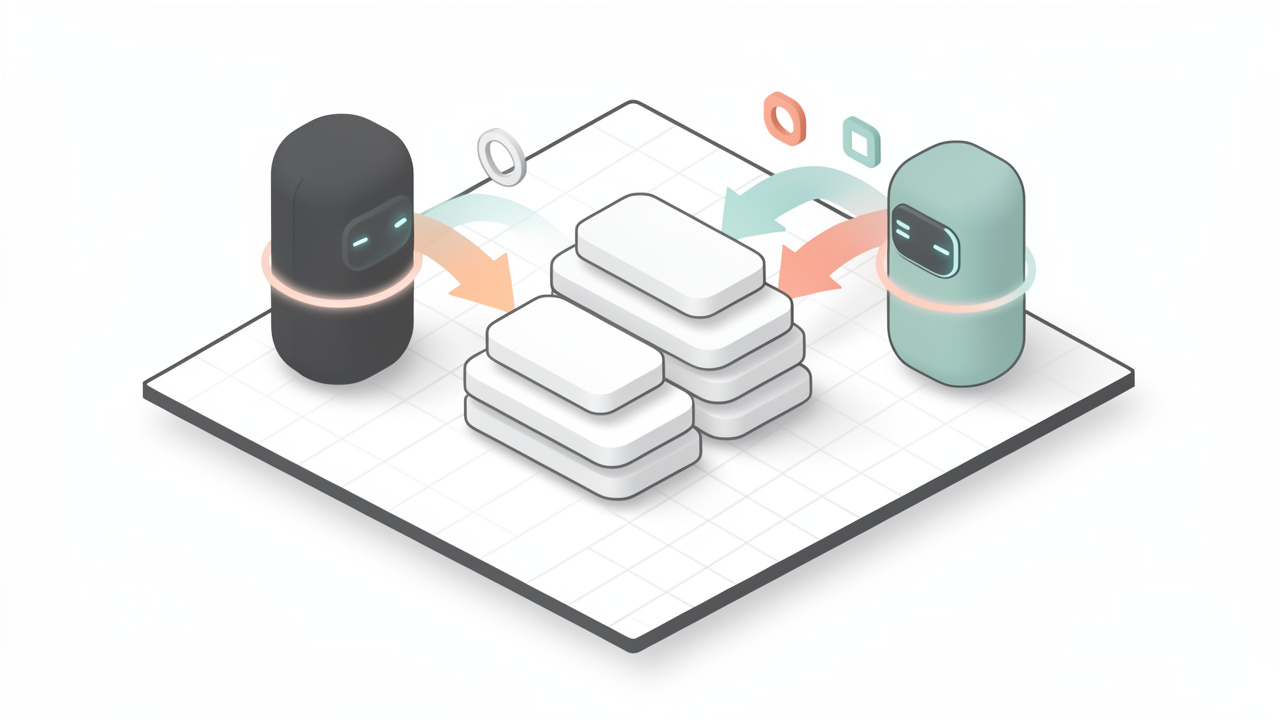
How ChatGPT and Perplexity Rank and Select Content
Bastian W.
Co-Founder of Keupera
If your content strategy still focuses only on Google, you're already missing part of the search journey. Buyers, researchers, and decision-makers now ask ChatGPT and Perplexity the same questions they used to type into a search bar. The difference is that these platforms don't present ten blue links first. They synthesize, cite, compare, and recommend.
That changes how content earns visibility. It also changes what "ranking" means.
For startups and SEO agencies, the key question is no longer just how to rank in the SERP. It's how to become the source AI systems choose to quote, summarize, and trust. If you understand how ChatGPT and Perplexity evaluate content, you can shape pages that perform in both classic search and answer engines.
What Ranking Means in ChatGPT and Perplexity
Traditional search engines rank pages in an ordered results page. AI assistants work differently. They retrieve information, evaluate source usefulness, and generate an answer from the material they deem most credible and relevant.
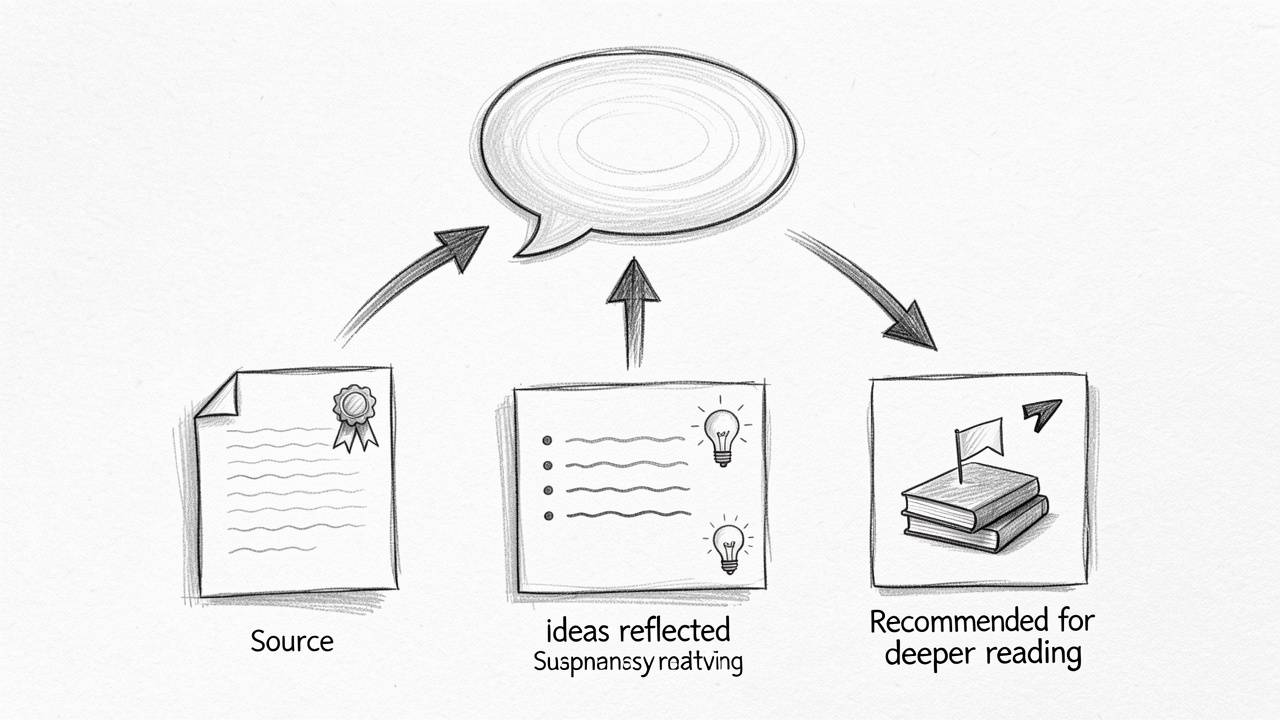
That means "ranking" in ChatGPT and Perplexity often looks like one of three outcomes. Your brand may be cited as a source. Your ideas may be reflected in the generated answer. Or your page may be recommended directly when the system decides a user needs a deeper resource.
ChatGPT Is Not a Traditional Search Engine
ChatGPT doesn't always operate like a live web index. Depending on the product experience, model, and whether browsing is enabled, it may rely on a mix of pretrained knowledge, retrieved web results, structured summaries, and source documents supplied in the session.
For marketers, that means your content visibility in ChatGPT is influenced by more than classic ranking signals. You are competing for retrievability, clarity, and citation-worthiness. A page that is easy to parse and rich in direct answers has an advantage.
Perplexity Behaves More Like an Answer Engine
Perplexity is closer to search in the way it retrieves and cites web content. It actively assembles answers from web sources and prominently displays citations. That makes source selection more visible, and in some ways more measurable, than it is in many AI chat interfaces.
If your page is selected often, users can see it. If it is not, you're invisible in the answer layer. This is why many agencies now treat Perplexity as a bridge between SEO and AI discovery.
AI Ranking Is Really Source Selection
The core shift is simple. In Google, a page competes for position. In AI systems, a page competes for inclusion in the model's answer-generation process.
That puts pressure on different strengths. A page can rank in search because it has authority and links, even if it buries the answer halfway down. In AI retrieval, the winner is often the source that answers clearly, early, and credibly.
Key Aspects of How ChatGPT and Perplexity Rank Content
The phrase "how they rank content" can be misleading if you apply pure SEO logic. Both platforms still depend on relevance and authority, but they also reward structure, specificity, and trust signals in ways that feel closer to research assistance than classic search.
Relevance Still Comes First
Both ChatGPT and Perplexity need content that matches the user's intent. That sounds obvious, but intent matching in AI can be more nuanced than keyword matching.
If someone asks, "What metrics matter most in AI search optimization?" the system is not only looking for pages that contain those words. It is looking for pages that explain the topic directly, define the concept, and connect it to measurable outcomes. Context matters more, semantic fit matters more.
This is why narrow, high-intent pages often outperform generic thought leadership in AI answers. A focused page on "how to get cited in AI search results" is easier to use than a broad article on "the future of SEO."
Source Authority Still Matters, But It Is Interpreted Differently
Domain strength still helps. Strong backlinks, branded mentions, author credibility, and topical authority all influence whether content is likely to be surfaced through the broader web ecosystem. In that sense, classic SEO is still the foundation.
But AI systems also appear to favor local authority within the topic. A smaller site with a highly detailed, tightly scoped, original page may be cited over a larger site with a thin overview. The source does not just need authority. It needs usefulness at answer level.
This creates an opening for startups. You may not outrank established publishers across the whole SERP, but you can still become the best source on a very specific question.
Clarity and Extractability Are Major Advantages
AI systems need to process content quickly. They look for definitions, explanations, comparisons, steps, examples, and conclusions that can be extracted cleanly.
Pages that ramble, over-optimize, or hide the key point behind long intros are harder to use. Pages with strong heading structure, concise explanations, and explicit answers are much easier to summarize and cite.
Think of it this way, a search engine can rank a messy page if authority is high enough. An answer engine prefers content it can reliably turn into an answer.
Freshness Can Matter, Especially for Changing Topics
Perplexity, because it often works with live web retrieval, is more sensitive to recent updates on fast-moving topics. ChatGPT may also prioritize fresher web sources when browsing or retrieving from live content.
If your page covers AI search, algorithm changes, product updates, or new platform features, stale copy becomes a liability. A page published a year ago with no revision signals may lose out to a newer, more current explainer.
Freshness does not mean changing dates without improving content. It means meaningful updates, new examples, revised claims, and current terminology.
Citability Is the New Clickability
In traditional SEO, the goal is often to win the click. In AI search, you first need to win the citation.
That changes content design. Strong statistics with clear sourcing, plain-language definitions, concise frameworks, and quotable sentences increase your odds of being referenced. Original insights help too, especially if they are presented in a way the system can lift and attribute.
If your article says ten vague things, it is easy to ignore. If it says one precise thing clearly, it becomes useful.
Consensus and Corroboration Help
AI systems tend to prefer information they can confirm across multiple reliable sources. If your page makes bold claims with no supporting evidence, it is less likely to be trusted in generated answers.
This matters for agencies producing category pages and blog content. Unsupported claims like "AI search has replaced Google" are weak. Balanced claims like "AI assistants are increasingly part of the discovery journey, especially for research-heavy queries" are easier to corroborate and safer to cite.
Reliable content often sounds less dramatic. It performs better anyway.
ChatGPT vs. Perplexity, What Changes?
The overlap is real, but the operating style is different enough that you should not treat them as identical.
Factor | ChatGPT | Perplexity |
Primary behavior | Generates answers from model knowledge plus optional retrieval or browsing | Retrieves live web sources and builds cited answers |
Visibility model | Brand may appear in answers, recommendations, or source references | Source citations are usually more explicit and prominent |
Importance of web freshness | Moderate to high when browsing or retrieval is active | High for timely queries |
Content advantage | Clear, authoritative, easy-to-summarize pages | Clear, authoritative, easy-to-cite pages with strong topical relevance |
Measurement challenge | Harder to track consistently across prompts and interfaces | Easier to monitor through visible citations and repeated source appearances |
For most teams, the practical takeaway is simple. Build content that can win in both environments. That means publish pages that are factually trustworthy, easy to parse, and genuinely useful for a specific question.
What Strong AI-Visible Content Looks Like
The best content for ChatGPT and Perplexity usually does not look radically different from the best content for modern SEO. It just removes more friction.
It Answers the Core Question Fast
A strong page makes its main point early. It does not spend 600 words circling the topic. It states the answer, explains the why, then expands with detail.
This helps users. It also helps retrieval systems understand the page's value quickly.
It Uses a Clear Information Hierarchy
Headings matter. So do subheadings, comparison tables, direct definitions, and tightly organized sections.
When your page is structurally clean, AI systems can isolate the section most relevant to the prompt. This is one reason why sprawling, unfocused blog posts often underperform in answer engines even when they rank reasonably well in search.
It Demonstrates Experience or Originality
Regurgitated content has little value in AI search because the model can already synthesize generic ideas. What stands out is original framing, tested processes, proprietary data, expert commentary, or unusually clear examples.
For agencies, this is a major opportunity. Campaign data, anonymized benchmarks, content audits, and observed patterns can make your page more source-worthy than a commodity article written from the same public information everyone else uses.
It Maintains Strong Trust Signals
Trust signals still matter. Author bios, editorial standards, outbound citations, updated timestamps, brand consistency, and factual precision all contribute to content quality.
You are not just trying to sound authoritative. You are giving both users and machines confidence that your page deserves to inform an answer.
How to Get Started with Ranking in ChatGPT and Perplexity
If you're building an AI-visible content strategy, start with the basics and then tighten for answer retrieval.
Audit the Queries AI Users Actually Ask
People phrase prompts differently in chat interfaces than in search engines. They ask fuller questions. They request comparisons. They look for recommendations and trade-offs.
Review your sales calls, customer support logs, onboarding questions, and search console data. Then rewrite target topics as natural-language prompts. A page aimed at "AI search optimization" may need to become "How do you get your brand cited by AI tools?"
That shift alone can improve relevance.
Build Pages Around Specific Answer Intent
Create pages that map cleanly to a single high-value question or a tight cluster of related questions. Avoid covering everything at once.
These pages perform better because the answer intent is obvious. The system can understand what the page is for, what question it resolves, and which part to cite.
Tighten the Opening Sections
Your first 150 to 300 words matter more than many teams realize. If the page opens with vague scene-setting, you waste the most extractable part of the document.
State the topic clearly. Give the short answer. Define the key term. Then move into detail. This improves both human readability and AI extractability.
Strengthen Topical Authority Around the Page
One page rarely wins alone. Build supporting content around adjacent questions, use internal links intelligently, and create a clear topical cluster.
For example, a pillar on AI content visibility can link to supporting pages on citation optimization, entity SEO, llms.txt debates, brand mentions, structured content design, and prompt-driven keyword research. This helps search engines and AI systems understand that your site has depth in the topic.
Use Structured Elements Carefully
You do not need gimmicks. But you do need clarity.
The following content elements often help:
Direct definitions near the top of the page.
Comparison tables for tools, approaches, or trade-offs.
FAQ-style subsections that mirror real prompts.
Updated examples that show current relevance.
These are useful because they reduce ambiguity. They also make your content easier to quote and summarize.
Keep Traditional SEO Strong
Do not treat AI visibility as a replacement for SEO. It rests on many of the same foundations, including crawlability, indexing, internal linking, backlinks, page speed, and topical relevance.
If your site has thin pages, weak authority, or poor information architecture, that weakness carries over. AI answer engines do not magically rescue low-quality web content.
Track Inclusion, Not Just Rankings
Classic rank tracking is not enough here. You also need to monitor whether your brand appears in AI-generated answers, how often your content is cited, and which competitor sources show up repeatedly.
This requires a different reporting mindset. Instead of only asking, "What position are we in?" ask, "Are we present in the answer set?" and "What content format gets cited most often?"
That is where strategic advantage starts to appear.
Common Mistakes That Reduce AI Visibility
Many brands assume they can repurpose standard SEO content and expect strong performance in ChatGPT or Perplexity. Sometimes that works. Often it doesn't.
Writing for Volume Instead of Precision
High-volume keywords still matter, but AI discovery often favors the page that resolves a specific question cleanly. Broad content can attract impressions while failing to earn inclusion in generated answers.
Precision wins more often than sprawl.
Hiding the Answer Behind Brand Messaging
This is especially common on startup sites. The page opens with positioning language, abstract benefits, and category framing, but never gives a direct answer to the user's question.
That hurts both engagement and extractability. If you want citation-level visibility, lead with substance first.
Publishing Generic, Derivative Content
AI models are already good at generating generic summaries. If your article offers nothing beyond what is commonly available, it gives answer engines little reason to select it as a source.
The fix is not always more words. It is better perspective, stronger evidence, and clearer structure.
FAQs About How ChatGPT and Perplexity Rank Content
Does ChatGPT rank websites like Google?
Not in the traditional SERP sense. ChatGPT typically selects and synthesizes information rather than presenting a fixed ranked list of web pages. Your goal is to become a trusted source for the answer, not just a blue link.
Does Perplexity use live web results?
Yes, Perplexity commonly retrieves live web sources and cites them in its responses. That makes freshness, relevance, and source clarity especially important.
Do backlinks still matter for AI visibility?
Yes. Backlinks still support authority, discovery, and trust. They are not the whole story, but they remain part of the foundation that helps content get surfaced.
Is AI search optimization different from SEO?
It is better viewed as an extension of SEO. You still need strong technical health and authority, but you also need content that is easy for AI systems to extract, validate, and cite.
Can smaller sites appear in AI answers?
Yes. Smaller sites can earn citations if they publish highly relevant, clearly structured, trustworthy content on a specific topic. AI systems often reward usefulness at the page level, not just domain size.
The Practical Next Step
If you want stronger visibility in ChatGPT and Perplexity, stop thinking only in terms of keyword positions. Start thinking in terms of answer inclusion. That shift changes your content planning, your page structure, and your measurement model.
The teams that win here will be the ones that publish content built to be understood quickly, trusted easily, and cited naturally. Start with one high-intent topic. Rewrite it for direct answers. Strengthen its authority signals. Then track whether it appears in AI-generated responses. That is where modern content ranking is headed.
Learn more about GEO and how it differs from traditional SEO and AI SEO.
More in AI & GEO
Keep reading

Entity SEO: How AI Search Thinks in Topics
Search has changed faster in the last two years than in the previous ten. If your SEO strategy still revolves around single keywords, exact-match phrases, and isolated pages, you are already competing…

Predictive SEO: Using AI to Forecast Ranking Opportunities
Find high-potential keywords sooner, prioritize content with more confidence, and reduce wasted SEO effort. If your SEO roadmap still depends on static keyword lists and last quarter’s rankings, you a…

How AI and Google's Ranking Algorithm Work Together
AI-driven systems are changing how search engines interpret queries and content. This guide explains what that means for your SEO strategy, how to use AI responsibly, and where to focus effort to win …